
22 April 2026
Walking After Spinal Cord Injury: Setting Realistic Goals
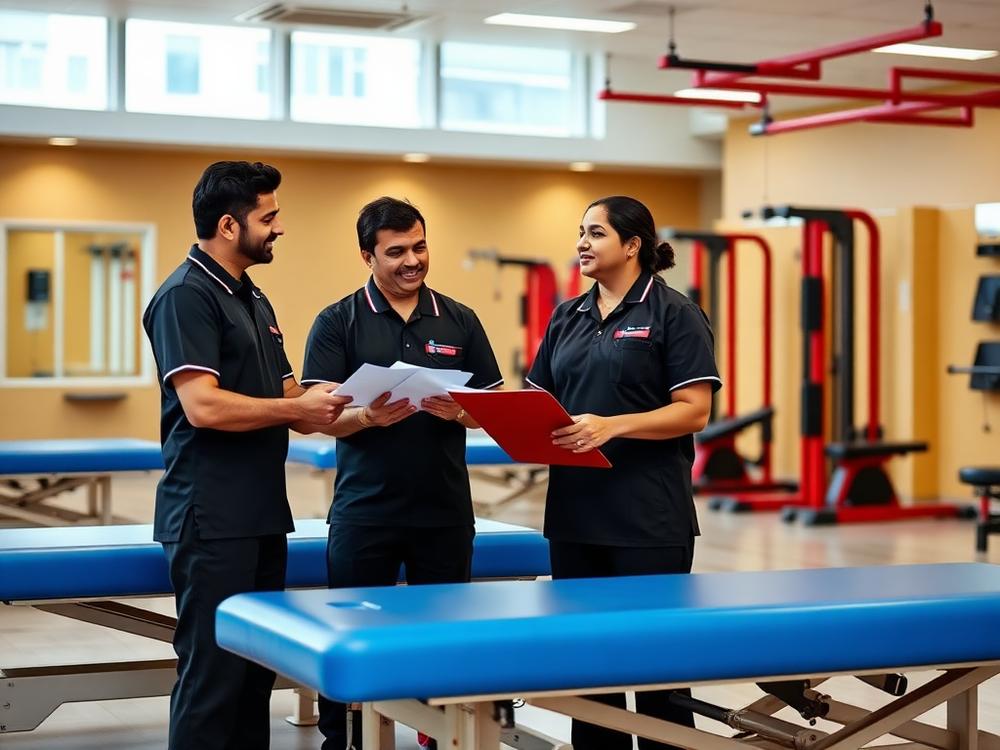
Every spinal cord injury is different. The level of injury and whether it is complete or incomplete determine what mobility is realistically achievable, which is why assessment always comes before any promises.
For many patients the most life-changing gains are not walking but independence: sitting balance, safe transfers, wheelchair skills and self-care. These skills return control of daily life.
Standing and gait training still matter even when independent walking is unlikely, because loading the skeleton protects bone density, reduces spasticity and improves bowel and bladder function.
Prevention is part of rehabilitation. Pressure care, respiratory physiotherapy and joint range work prevent complications that would otherwise interrupt progress.